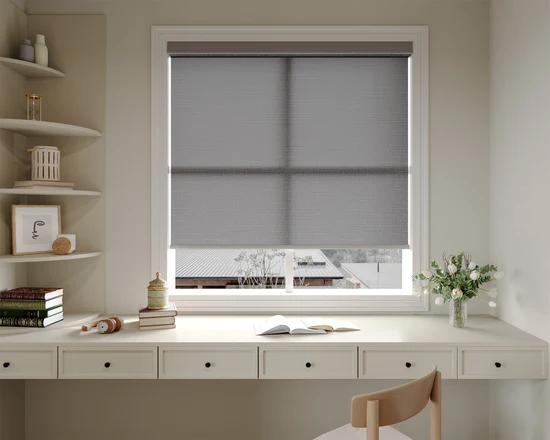
Roller blinds suit homes that need privacy, glare control, and a neat window finish without complicated upkeep. Their simple profile works across living areas, bedrooms, studies, and compact apartments, while fabric choice changes how much light enters each room. Good planning also considers window orientation, daily routines, and cleaning needs. Those decisions shape whether a blind feels practical long after installation, so the first step is choosing the right function for each space.
In Melbourne, strong sunlight, street-facing windows, and changing temperatures make window coverings a daily practical decision. A clear guide to roller blinds in Melbourne helps households compare fabric openness, operating styles, and fitting considerations before selecting a treatment. The best choice depends on the room’s exposure, the required privacy level, and whether the blind needs to disappear neatly when raised.
Why the Profile Works
Roller blinds sit close to the glass, which keeps the window area visually tidy. Their compact shape suits rooms where curtains would take up too much space or interrupt furniture placement.
A roller blind also creates a consistent appearance across several windows. Matching blinds can make connected spaces feel organised without adding heavy decoration. Neutral fabrics suit restrained interiors, while darker or textured materials add more visual depth.
The simple construction supports straightforward daily use. A blind moves vertically, leaves the sill clear, and creates less surface area for dust than many layered window treatments.
Match Fabric to the Room
Fabric selection determines how much daylight enters the room and how clearly people can see through the blind. An open-weave screen fabric reduces glare while preserving some daytime visibility.
Blockout fabric suits bedrooms, nurseries, and media rooms where darkness matters. It also limits direct sunlight, which helps protect flooring, furniture, and artwork from prolonged exposure.
A light-filtering fabric sits between these two choices. It softens daylight without making the room completely dark, which suits living rooms, dining areas, and home offices.
Consider Privacy At Different Times
Privacy changes with the light inside and outside the home. A fabric that obscures views during daylight can appear more transparent at night when indoor lights are switched on.
Street-facing rooms need closer attention to this issue. Bedrooms and bathrooms often require stronger privacy control, while upper-level studies can prioritise daylight and outward visibility.
Testing fabric samples near the actual window gives a more reliable impression than viewing a small colour chart. Daylight direction, wall colour, and nearby buildings all affect the final result.
Choose the Operating Style
Manual roller blinds suit windows that are easy to reach and use several times each day. Chain control allows precise positioning, helping households adjust light levels throughout the day.
Motorised operation suits large windows, hard-to-reach openings, and rooms with several blinds. It also supports consistent positioning when occupants want to control glare across a connected space.
Safety deserves attention in rooms used by children or pets. Cordless or motorised options remove loose chains from the window area and simplify operation.
The control position also matters. A blind that opens from the bottom or stops at a chosen height can support privacy while keeping daylight available above eye level.
Plan for Everyday Cleaning
Roller blinds need regular light cleaning to prevent dust from settling into the fabric. A soft brush attachment or dry microfibre cloth removes surface dust without soaking the material.
Deal with spills promptly, following the fabric supplier’s cleaning instructions. Excess moisture can damage some materials, affect the backing, or leave visible marks after drying.
Kitchen blinds need extra care because cooking vapour can carry grease towards nearby windows. A washable fabric can simplify maintenance in these areas, provided its care requirements suit the household’s routine.
Check Fit Before Ordering
Accurate measurements prevent gaps, crowding, and difficult operation. Recess fitting places the blind inside the window reveal, while face fitting positions it over the opening.
The choice depends on reveal depth, handle position, architrave, and how much light needs to be blocked around the edges. Windows with uneven reveals need careful checking before confirming a final measurement.
A fitting plan should also account for nearby shelves, taps, handles, and ventilation systems. Small obstructions can affect how far the blind sits from the glass and whether it moves freely.
Consider colour after function and fit. A well-matched fabric supports the room’s palette, but accurate installation determines how clean the finished window looks.
Conclusion
Roller blinds work best when each choice responds to the room rather than following a single house-wide formula. Blockout fabric suits sleeping areas, screen fabric manages glare, and light-filtering materials keep living spaces bright without harsh direct sun. Manual controls suit accessible windows, while motorised operation assists larger or elevated openings. The practical next step is to assess each window’s light, privacy, access, and measurement requirements before comparing suitable fabrics and operating systems.