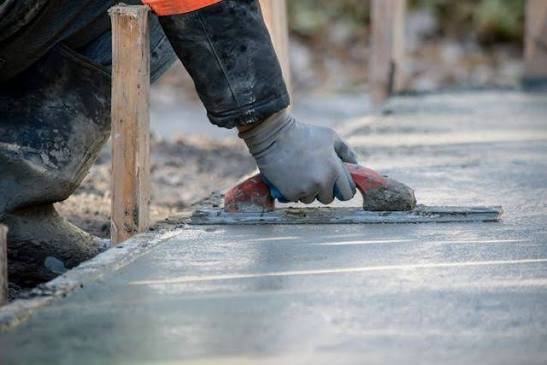
Acid etching concrete changes a slab’s surface texture so sealers, coatings, and finishes bond more effectively. The process also creates a flatter, slip-resistant finish for pool surrounds, pathways, driveways, and alfresco areas. It suits certain concrete conditions, but it requires careful preparation, controlled chemical handling, thorough rinsing, and adequate drying. Knowing when acid etching works helps property owners choose preparation that matches the slab and its intended use.
What Acid Etching Does to Concrete
Surface preparation affects whether a coating bonds properly or peels prematurely. A smooth slab gives sealers and epoxy products little texture to grip, while contamination weakens the finished surface.
For projects that need a textured substrate, acid etching concrete opens the surface pores and removes a thin layer around exposed stone. This creates a suitable base for sealing, painting, or leaving the etched texture visible.
Acid etching uses an acid-based solution to react with the cement paste at the surface. That reaction creates a lightly textured finish without producing the rough profile associated with exposed aggregate. The finished surface feels flatter underfoot and suits areas where people walk barefoot.
When Acid Etching Is the Right Choice
Acid etching suits sound concrete with a hard, smooth surface that needs better adhesion. It works well before applying a sealer, epoxy coating, or paint, as long as the slab has no paint or impermeable covering.
The acid must contact the concrete substrate to create the required profile. Outdoor areas often benefit from the resulting texture, including pool surrounds, entertaining areas, pathways, and driveways.
The method also suits existing slabs that need a refreshed appearance without installing timber, pavers, or another floor covering.
When Another Preparation Method Is Better
Acid etching does not remove paint because the coating blocks contact between the acid and the concrete. Painted slabs require paint removal before etching, or another preparation method that exposes the substrate.
A slab also needs suitable conditions before work begins. Loose concrete, deep cracking, oil contamination, or failed previous coatings require separate repairs or removal.
Etching cannot correct structural damage or replace cleaning. A contractor should inspect the surface before selecting the preparation process.
Mechanical grinding suits projects that require full exposure or precise coating removal. Grinding also prepares uneven surfaces before a finer finish.
Acid etching is more suitable after grinding when the project requires a smoother, slip-resistant outdoor surface.
How the Process Works
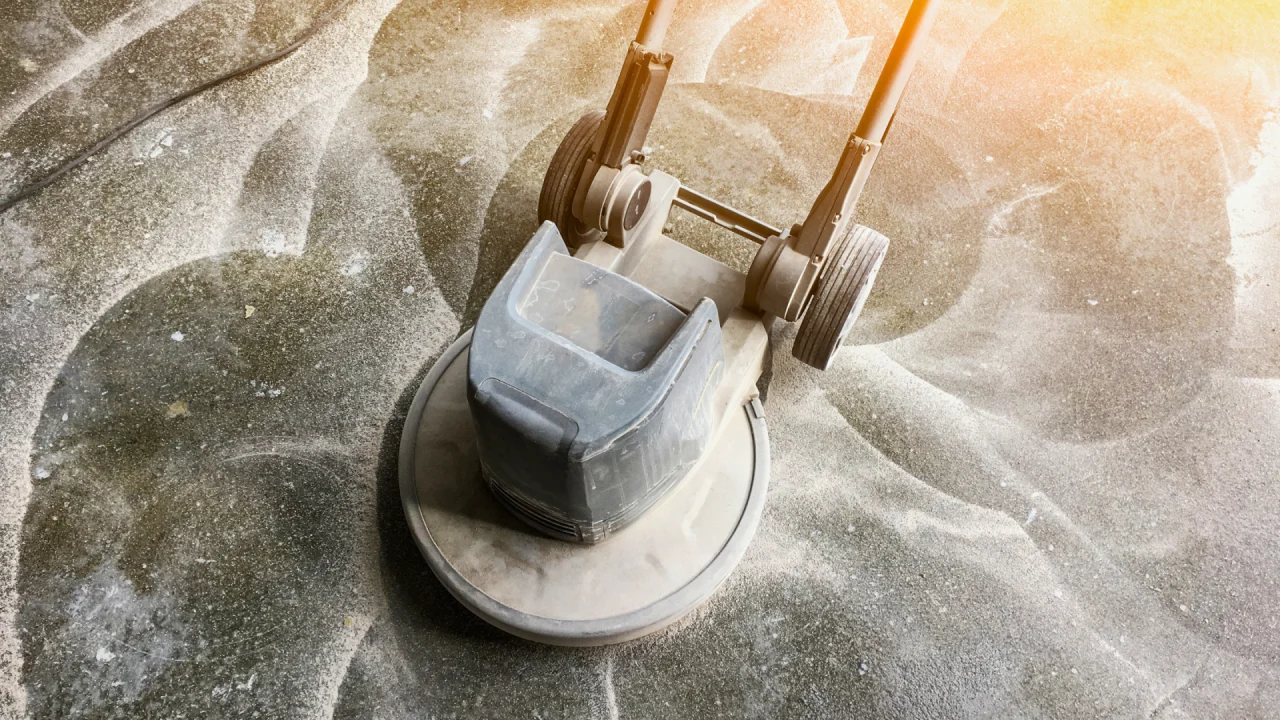
Professional preparation begins with grinding the concrete to full exposure. Finer diamond grits then remove surface scratches and leave the slab ready for acid treatment.
The supplied process uses a balanced mixture of 50% hydrochloric acid and 50% water. Apply the solution evenly across damp concrete, allowing the acid to etch around the exposed stone.
Consistent coverage prevents visible texture variations. After the reaction, high-pressure wash the concrete.
The slab must dry thoroughly before sealing or coating. The final stage uses a UV-stable polyurethane sealer, which protects the etched finish and supports outdoor use.
Safety and Drying Requirements
Hydrochloric acid, also called muriatic acid, is hazardous and requires controlled handling. Protective equipment, suitable application tools, ventilation, and careful wash-down procedures reduce exposure risks.
Remove chemical residue before applying another material. Poor rinsing can affect adhesion and leave unwanted deposits on the slab.
Drying time affects the next stage of the project. Allow at least four days before foot traffic and 10 days before vehicle traffic or paint application.
Weather, slab thickness, drainage, and the selected coating also affect readiness. Check the surface before continuing.
Surface Preparation Before Sealing
A clean, dry, evenly etched slab provides a suitable base for sealer or coating. The surface should contain no standing water, loose residue, oil, dust, or visible chemical deposits.
Uneven preparation often produces inconsistent colour, adhesion, or sheen. Each area should receive the same treatment so the finished surface looks uniform.
Clarify the intended result before work starts. A slip-resistant outdoor finish requires different preparation from a smooth decorative coating.
The slab’s use, weather exposure, foot traffic, and future maintenance should guide the final sealer selection.
Conclusion
Acid etching suits smooth concrete that needs a lightly textured profile or a slip-resistant outdoor finish. It also prepares clean slabs for sealers, epoxy, and paint when the acid can reach the substrate. Painted or damaged concrete requires additional treatment before etching. Before scheduling the work, arrange a surface inspection, confirm the intended finish, and allow enough drying time before reopening the area or applying a coating.