Introduction
Fresh paint can change how a home looks, feels, and functions without major construction. Color affects mood, light shifts room depth, and clean walls signal care from the first glance. A simple update can also hide wear that slowly makes interiors feel tired. For many households, paint offers one of the quickest ways to refresh daily living areas while keeping cost, mess, and downtime within a reasonable range.
First Impressions
Before furniture changes or new decor enter a plan, wall color usually shapes the room’s first impact. Many owners turn to painting contractors in Chicago after noticing dull surfaces, uneven patches, or trim that no longer matches updated flooring. That kind of wear often builds slowly, yet a new coat can restore balance, sharpen contrast, and make familiar rooms feel carefully maintained again.
Light and Space
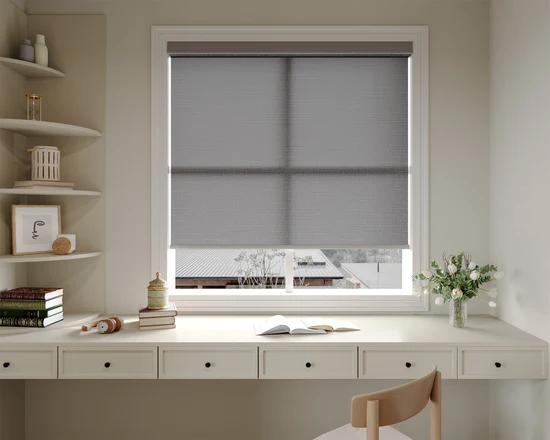
Color choice changes how light moves across a room. Soft neutrals can reflect daylight and help narrow spaces feel wider. Deeper tones often add comfort in large areas that seem cold or empty. Ceiling paint also matters because bright, clean overhead surfaces bounce light downward. As a result, small adjustments in shade can shift the perceived size of a room without moving a single wall.
Surface Repair
A paint project does more than cover old color. Prep work often reveals dents, hairline cracks, nail holes, and rough seams that distract the eye. Once those flaws are patched and sanded, the final result looks cleaner and more polished. This step matters because fresh color placed over damaged drywall rarely looks finished. Smooth surfaces create the strong, calm effect many owners expect after any interior update.
Daily Function
Different rooms support different habits, so each area benefits from its own visual logic. Kitchens often look brighter with crisp shades that support cleanliness. Bedrooms usually feel calmer with muted tones that reduce visual noise. Home offices can gain focus from balanced, low-glare color. Matching paint to purpose helps interiors work better for the people using them every day, rather than serving as background alone.
Finish Matters
Sheen has a major effect on durability and mood. Flat finishes soften walls and hide minor flaws, which suits bedrooms or ceilings. Eggshell offers a gentle glow with easier cleaning in living spaces. Semi-gloss stands up well on trim, doors, and busy zones. Choosing the right finish prevents frustration later, since appearance and maintenance are closely linked once real life, fingerprints, and routine cleaning start testing surfaces.
A Smarter Mood Shift
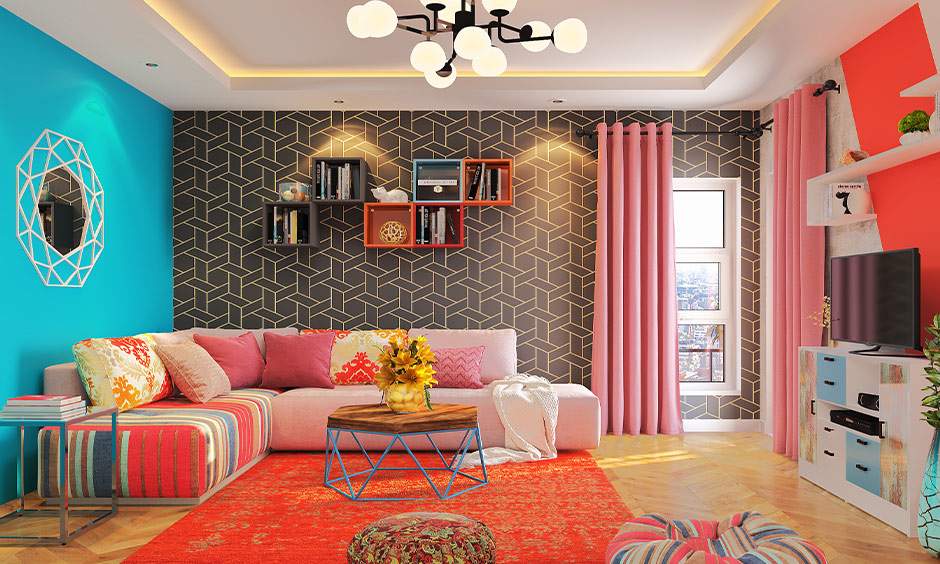
Paint can support emotional comfort without dramatic design moves. Warm whites, soft clay tones, and muted greens often create a settled atmosphere. Cooler grays or blues may help busy rooms feel more ordered. Strong accent colors can work too, though restraint usually gives them more impact.
Small Changes, Clear Effect
Even one painted wall, a refreshed ceiling, or updated trim can reset the tone of a room. That scale makes paint useful for households that want visible change without a full redesign.
Protection Counts
Interior coatings also serve a practical role by protecting surfaces from moisture, smudges, and everyday friction. Hallways, children’s rooms, and entry areas take repeated impact over time. Quality paint helps those spaces clean up more easily and stay presentable longer. That protective layer can slow visible aging, which reduces the need for constant touch-ups. In that sense, paint supports both appearance and routine upkeep under normal household use.
Cost and Value
Compared with larger renovation work, painting often delivers strong visual return for a modest budget. Materials, labor, and prep still matter, yet the final effect can touch every hour spent at home. Clean walls photograph better, feel newer, and support resale presentation. Buyers usually notice bright interiors quickly because they suggest care. Even without a sale planned, a refreshed home can feel more valuable through daily use alone.
Timing Helps
The best results usually come from planning around furniture movement, ventilation, and room use. Empty or partly cleared spaces allow cleaner lines and faster work. Dry conditions also help coatings cure as expected. Families often schedule projects before gatherings, after repairs, or during seasonal refresh periods. Good timing reduces stress, protects belongings, and gives each room enough time to settle before regular traffic returns to normal levels.
Conclusion
Fresh paint remains one of the most effective interior upgrades because it blends style, function, and protection in a single project. It can brighten dark rooms, sharpen neglected details, and support how each space is used every day. With thoughtful color, proper prep, and the right finish, ordinary walls can change the entire feel of a home. That kind of shift is simple in concept, yet powerful in daily life.