The roof of a commercial building is an integral part of preserving the integrity of that building. Commercial roofing systems are purposefully designed to protect buildings from environmental elements while ensuring energy efficiency and durability. This article right here discusses commercial roofing, how you do it, and provides insights on trends.
Types of Commercial Roofing Systems
Selecting a roofing system is vital for the durability and sustainability of any building. Some common types of commercial roofing include:
TPO (Thermoplastic Polyolefin)
The reason behind the popularity of TPO is due to energy efficiency and its cost-effectiveness. Having a reflective surface that assists to reduce the cost of cooling, making it an also environment friendly alternative.
EPDM (Ethylene Propylene Diene Monomer)
EPDM (Ethylene Propylene Diene Monomer): This synthetic rubber membrane is known for its durability and exceptional weather resistance. It’s perfect for buildings subjected to severe weather.
Modified Bitumen
This material provides greater strength and flexibility due to its multi-layered structure. It’s used most often for flat and low-slope roofs.
Metal Roofing
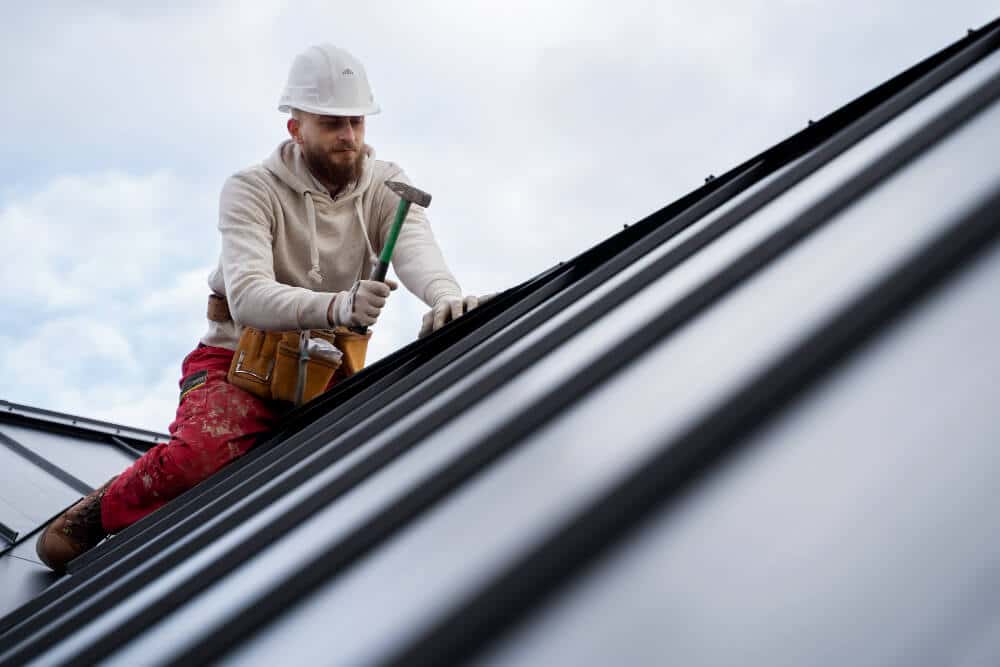
Metal roofs are durable and long lasting. They present a modern look and are fire, wind, and other environmental hazard-resistant.
Importance of Regular Maintenance
No matter the type of roofing system, regular maintenance is crucial to prolonging the life of a commercial roof. Routine inspections can help detect problems early on, preventing expensive repairs or replacements. Routine cleaning and removing debris also keep water from building up and damaging structures.
Innovations in Commercial Roofing
Here are some more exciting developments to look forward to as innovation continues in the commercial roofing industry:
Green Roofs
Green roofs provide many benefits including better air quality, reduction of heat in urban areas. They are also great insulators, which means reducing energy bills.
Cool Roofs
Cool roofs are made to reflect more sunlight and absorb less heat than a standard roof. This technology greatly lowers energy bills and enhances indoor comfort.
Solar Roofing
It makes a lot of sense to be incorporating solar panels into your commercial roofing systems. It reduces electricity costs and encourages environmental responsibility.
Choosing the Right Contractor
It is essential to look for a quality and experienced roofing contractor because the success of your commercial roofing project depends on it. Do your research on the contractors, look for strong reviews or warranties. They have to know how to offer personalized solutions for individual structure needs.
Auckland Commercial Roofing
Whether you’re facing a commercial roofing project in Auckland or elsewhere, local expertise is an important consideration. Auckland commercial roofing specialists know the local weather patterns and local rules, so you can be sure that the roof will comply and last. They are made from premium materials that can take the region’s climate fluctuations.
Factors Affecting Roofing Costs
There are a few factors that go into determining the cost of commercial roofing projects:
Material: The big roof cost will have a lot to do with what kind of material is used. Metal and solar roofing are on the expensive side, but they save money in the long run.
Roof Size and Design: Larger roofs use more materials and labor, so the upfront costs are higher over smaller surfaces. The more technical the design, the more expensive it will also get with time and expertise put into it.
Location of Services: Geographic location can affect the costs associated with your services as labor forces and material availability differ from place to place.
Installation and Labor: Skilled labor can come at a premium. You bet your dollars on proficient manpower that endures longer.
Conclusion
Commercial roof components that most people overlook. As both traditional and innovative technologies for roofing sectors are scattered with different options through various methods, businesses have the precise selections based as per business needs along with eco-friendly goals. Another important step to follow is to make sure you have the right contractor, and when they do regular maintenance on the roof, your commercial roof will be able to serve for a longer period of time.
Whether you are looking at your standard options or delving into modern technologies, insight into commercial roofing will assist in making informed decisions that positively impact the building’s long-term performance and sustainability.