Rainwater is an important natural resource that is usually wasted. Harvesting water can help both homeowners and the environment. Downpipe diverter solutions can help individuals effectively harvest rainwater. These tools redirect rainwater and use sustainable methods of water management.
Understanding Downpipe Diverters
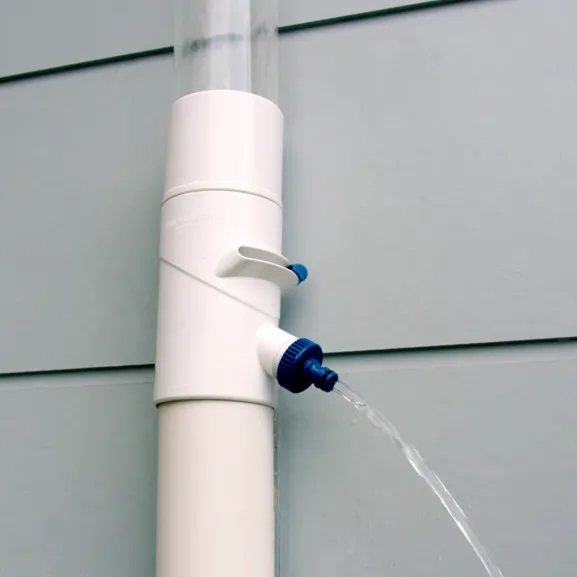
A downpipe diverter is an easy-to-install and affordable device used to redirect rain that falls on the roof into a storage container, such as a rain barrel or tank. Not only does this process conserve water but it also reduces dependence on the mains water supply.
These diverters are built to facilitate simple and efficient installation and operation. Installation can be done directly onto existing gutter systems with little construction. They are commonly a solution for homeowners to conserve water in places that tend to experience a deficit of it.
Benefits of Rainwater Harvesting
Harvesting rainwater offers numerous advantages. It offers free water for various non-potable applications, such as watering gardens, washing cars, and flushing toilets. Households can save on their water bills by using rainwater.
It also reduces the pressure on local water sources, especially in dry seasons, and helps mitigate stormwater runoff, which contributes to flooding and erosion. Since this runoff often transports pollutants to waterways in urban areas, reducing runoff can enhance water quality.
Selecting the Right Diverter
There are some factors that you will need to take into consideration when selecting a downpipe diverter, such as the square footage of the roof and the average rainfall in the region. These systems may not be sufficient for larger roofs or areas where heavy rain can lead to strong flows of water.
Another main factor is the type of storage container. Certain diverters fit specific barrel or tank sizes, so be sure to get one that will maximise your water collection. Verifying compatibility before buying may save time whilst avoiding problems during installation.
Maintenance is another aspect you should take into account. Some diverters are equipped with filters, which will need to be cleaned regularly to avoid blockages. Look for a model that even someone with basic knowledge can work on and access, which helps keep maintenance simple.
Installation Tips
Setting up a downpipe diverter is usually a straightforward procedure. Nonetheless, there are some things you can do to make sure it runs at its best. Start by measuring your downpipe and finding a suitable diverter that fits. Properly installed pipes do not leak, and water flows efficiently.
How you position the storage unit is key. Ideally, it should be located near the downpipe and able to stand on a firm surface. This reduces the length of hose required, thereby minimising the chance of leaks or blockages.
Monitor the system often, especially after a significant amount of rain. Making sure that the diverter and storage container are in working order will help prevent overflow and ensure efficiency.
Environmental Impact
Downpipe diverters encourage an eco-friendly approach. Households can reduce their environmental impact by harvesting rainwater. This process reduces the burden on city water services. In addition, it helps protect local ecosystems by minimising stormwater runoff, prevents soil erosion, and stops water contaminants from entering natural waterways. This leads to healthier ecosystems for plants, animals, and communities.
Economic Advantages
Owning a downpipe diverter system can also offer economic benefits. While the up-front costs of buying and installing a diverter can seem high, many find that the savings on their water bills make up for this initial expense over time, making it a cost-effective option for many homeowners.
Additionally, certain areas have programs that provide incentives or rebates for the installation of rainwater collection systems. Local authorities may have programs that reduce your out-of-pocket investment.
Conclusion
Rainwater diverters integrated into the downpipe provide an effective way to utilise water for various non-potable purposes. They have several advantages, including helping you save on your water bill and contributing to environmental protection. With the right system and with proper maintenance, homeowners can maximise the usefulness of this precious resource.