Introduction
Stone brings texture, weight, and natural character to renovated spaces. Its varied colours suit coastal, rural, industrial, and contemporary homes. Careful placement can create a strong focal point without making rooms feel heavy. From garden walls to bathroom details, each application offers practical value alongside visual appeal. These ideas show how homeowners can use masonry thoughtfully, balance materials, and create lasting finishes that suit Auckland properties and everyday routines.
Natural Stone Entryways
An entry path creates the first impression of a property, so its surface deserves careful planning. Homeowners exploring stone works in Auckland can consider irregular flagstones, layered steps, or clean rectangular pavers. Each option adds texture while guiding movement from the street to the front door. A restrained border can frame the route and connect the entrance with nearby planting.
Retaining Walls With Character
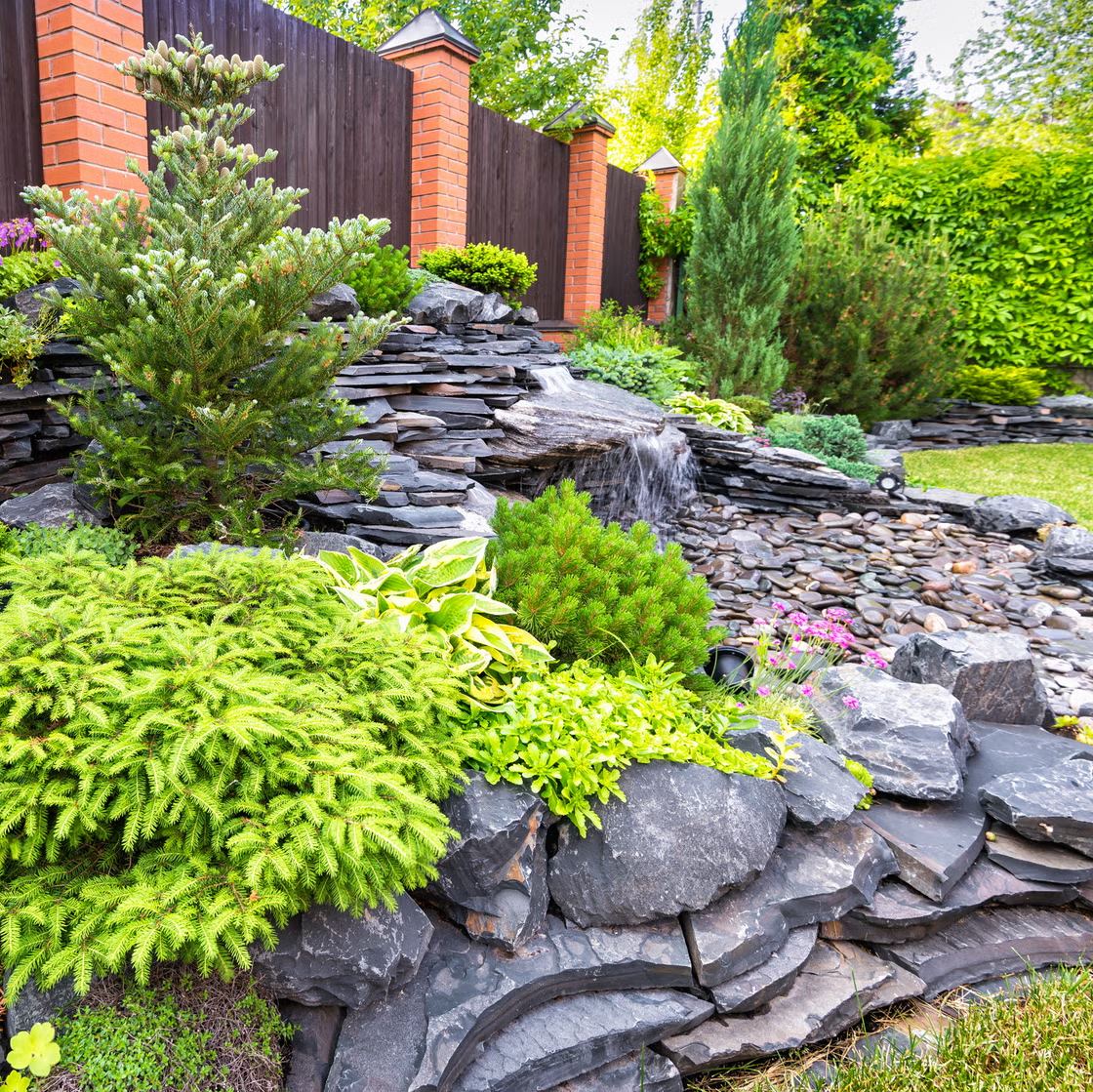
Retaining walls solve level changes while adding structure to outdoor areas. Large blocks create a grounded appearance, while smaller pieces produce a softer, handcrafted finish. Terraced sections can turn a steep garden into usable planting beds. Drainage remains essential, because trapped water may place pressure behind the wall. Skilled planning also helps match wall height with surrounding paths, fences, and trees.
Fireplace Feature Walls
A fireplace becomes a stronger focal point when framed by carefully selected masonry. Split-face stone adds shadows and depth, while smooth slabs create a calmer appearance. Light shades can brighten compact rooms, whereas charcoal tones suit bold interiors. A simple timber shelf may soften the finish. Heat-safe materials and correct clearances should guide every decision around the firebox.
Kitchen Splashback Details
Stone can bring warmth to a kitchen without covering every surface. A narrow splashback behind the cooktop offers texture and protects the wall from splashes. Matching trim around an island creates visual continuity. Honed finishes reduce glare and show less reflection than polished surfaces. Neutral beige, cream, and grey tones also work well with timber cabinetry, painted doors, and brushed metal fittings.
Bathroom Walls and Niches
Bathrooms benefit from surfaces that feel substantial yet remain easy to maintain. Large stone panels reduce grout lines, while mosaic strips can define shower zones or recessed shelves. Pale limestone tones support a calm setting, and darker accents add contrast around mirrors. Proper sealing helps limit moisture absorption. Slip-resistant flooring deserves equal attention, particularly near showers, baths, and entrances.
Outdoor Living Areas
Patios, terraces, and pool surrounds gain a more permanent feel through stone paving. A mixed-size layout creates movement, while uniform slabs provide a crisp modern finish. Textured surfaces improve grip during wet weather. Joint spacing should allow for drainage and natural movement. Furniture placement also matters, since clear walking zones prevent a beautiful installation from becoming difficult to use.
Garden Features and Seating
Small additions can make a garden feel more considered. A low stone bench offers useful seating near a path or fire area. Dry-stack edging can separate lawn from planting beds without looking formal. Sculptural boulders create visual anchors beside ponds, trees, or gravel. Repeating one stone type across several locations helps the garden feel connected without adding unnecessary decoration.
Choosing the Right Material
Granite suits areas exposed to heavy traffic because it handles regular wear well. Sandstone offers warm colour variation and a softer visual effect. Bluestone supports contemporary schemes with its deep grey tones. Limestone creates a refined finish, although some varieties need extra care. Samples should be viewed outdoors and indoors, since sunlight, shade, and nearby colours alter their appearance.
Planning a Balanced Finish
Successful masonry begins with a clear plan rather than isolated product choices. Measurements should account for cuts, joints, drainage, access, and future maintenance. A limited palette usually creates a calmer result than several competing textures. Homeowners should also compare sample pieces beside existing tiles, timber, paint, and metalwork. Early coordination with builders can prevent level problems and costly changes.
Conclusion
Stone works well when its texture supports the purpose of each area. Entry paths can guide visitors, walls can manage slopes, and feature pieces can give ordinary rooms added character. Material choice, drainage, sealing, and installation quality all influence the final result. With a measured palette and practical layout, homeowners can create renovation details that feel natural, function reliably, and remain attractive through changing seasons.