Introduction
A roof protects a building from rain, wind, sun, and shifting temperatures. Over time, surface wear can spread into flashing, gutters, insulation, and interior rooms. Professional replacement addresses those weaknesses with suitable materials, accurate installation, and planned drainage. The long-term gain reaches beyond a fresh appearance. Owners can reduce emergency repairs, improve comfort, preserve property value, and gain clearer maintenance costs. In Auckland, a well-planned project also helps buildings manage strong rain and coastal air.
A Sound Financial Decision
Property owners comparing repair invoices with replacement costs should assess the full ownership period. A temporary patch may postpone spending, yet repeated callouts can exceed a planned project. Independent guidance on Roof Replacement Services in Auckland can clarify material choices, project scope, consent questions, and expected service life. Clear information helps households compare quotations fairly, identify hidden damage, and set a realistic budget before work begins.
Fewer Recurring Repairs
Repeated leaks often trigger more than visible ceiling stains. Moisture can weaken timber, damage insulation, encourage mould, and affect electrical fittings. Replacing the covering and checking supporting layers addresses causes instead of treating isolated symptoms. A sound installation reduces callout frequency, protects household belongings, and makes annual inspections easier. Lower repair demand can free funds for other upkeep, especially on older properties exposed to Auckland’s wet seasons.
Stronger Structural Protection
An ageing roof may hide rust, loose fixings, cracked tiles, or deteriorated underlay. These faults can worsen during heavy rain and strong winds. A professional replacement includes condition checks beneath the outer surface, helping identify weak points before they affect ceilings or wall frames. Correct fastening, ventilation, and water flow give the building better protection. This work can also reduce risks linked with sagging sections or sudden storm damage.
Improved Indoor Comfort
Roof condition affects indoor temperature throughout the year. Gaps, poor ventilation, and compressed insulation allow heat to escape during winter and enter during summer. A replacement project creates an opportunity to correct these issues and improve airflow beneath the outer layer. More stable room temperatures can support comfort for occupants. Reduced reliance on heating or cooling equipment may also lower household energy use over the property’s service life.
Stronger Property Appeal
A clean, modern roof can improve a building’s appearance from the street. Consistent lines, suitable colours, and intact drainage contribute to a cared-for exterior. Buyers often examine visible maintenance needs before making an offer, so a recently replaced roof may reduce concerns about immediate capital work. Owners who plan to sell later can present clearer records, fewer visible defects, and greater confidence during property inspections.
Better Protection for Household Health
Persistent dampness may create conditions that encourage mould growth and unpleasant odours. Water entry can also damage furnishings, stored items, and interior finishes. Replacing failed sections helps limit these problems at their source, especially where earlier repairs have offered only short-term relief. Professional work supports a drier indoor environment by combining sound materials with effective flashing, ventilation, and drainage. That outcome benefits occupants and protects valuable contents.
Clearer Maintenance Planning
A new roof gives owners a more predictable starting point for future care. Installation records, product details, and inspection notes can support a practical maintenance schedule. Regular gutter cleaning, visual checks, and prompt attention to minor issues help preserve performance. Clear planning also makes future budgeting easier because owners can anticipate routine tasks rather than reacting to sudden failures. This approach supports steady property care across many years.
More Responsible Material Choices
Replacement creates an opportunity to select materials that suit local conditions and expected use. Long-run steel, concrete tiles, and clay tiles each offer different costs, weights, appearances, and service periods. Professionals can explain those differences before work starts. Responsible removal may also allow suitable materials to enter recycling streams instead of general disposal. Better selection and waste handling can reduce unnecessary resource use during the project.
The Value of Skilled Installation
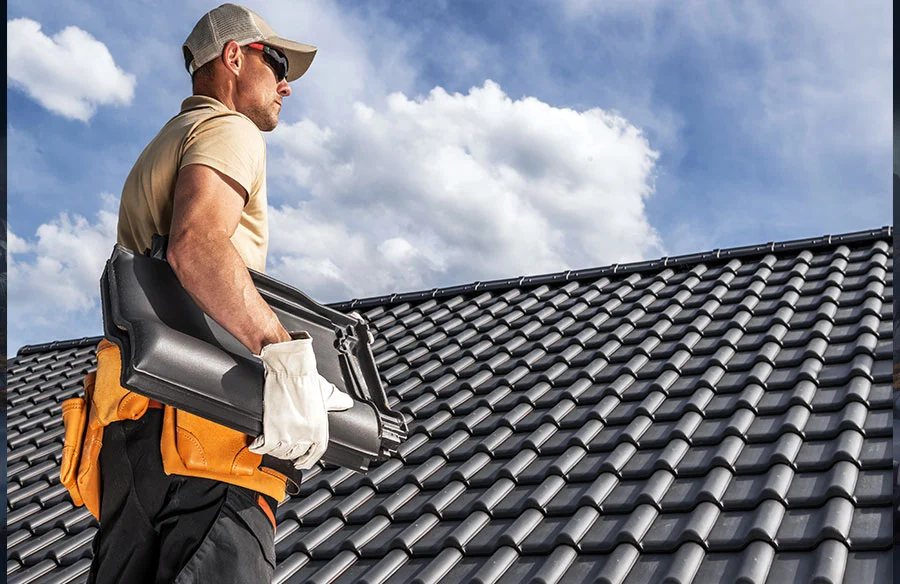
Material quality matters, yet installation standards influence how well a roof performs. Experienced contractors understand falls, overlaps, flashings, penetrations, safety requirements, and local weather pressures. They can coordinate removal, preparation, fitting, and final checks with fewer avoidable errors. A properly completed project is less likely to develop premature leaks or uneven wear. Skilled oversight therefore protects the original investment and supports dependable performance over time.
Conclusion
Professional roof replacement is a long-term property decision rather than a cosmetic expense. The work can limit recurring leaks, protect structural components, improve indoor comfort, and support stronger resale appeal. Suitable materials and skilled installation also make future maintenance more predictable. Auckland owners who assess age, damage, repair history, and household plans can choose an informed path. A sound roof offers lasting protection, clearer financial planning, and greater confidence through changing seasons.