Introduction
Surface cleaning often demands more than water and ordinary soap. Mineral marks, rust stains, and weathered timber can resist familiar products. Oxalic acid solution offers a practical answer because its acidic action reacts with iron compounds and some mineral deposits. That reaction can brighten suitable surfaces without aggressive abrasion. Safe results depend on correct dilution, material checks, ventilation, and thorough rinsing after treatment. These simple controls help cleaning teams achieve consistent results during routine maintenance and restoration work.
Identifying Suitable Cleaning Tasks
A product such as oxalic acid solution can assist with rust, tannin, and light mineral staining on compatible materials. Its targeted reaction reduces reliance on hard scrubbing. Stone, timber, masonry, and metal may respond differently, so a hidden test should come first. This check reveals colour change, etching, or residue before treatment begins.
How the Chemistry Works
Oxalic acid binds with iron compounds that create orange or brown marks. This reaction helps loosen discolouration from weathered timber, concrete, stone, and other compatible substrates. Mild acidity also assists with certain lime-based deposits. Contact time matters because prolonged exposure can affect colour or texture. Dilution controls strength, while agitation distributes liquid evenly. Rinsing then removes loosened material and remaining acidity. Results depend on stain depth, porosity, age, and previous treatments.
Visible Cleaning Results
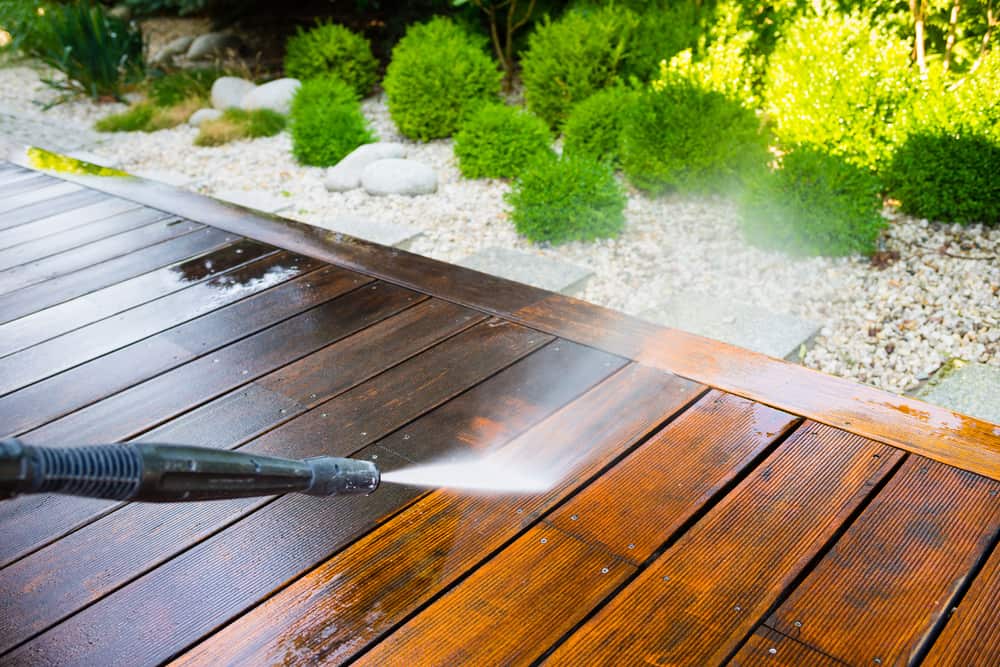
The clearest improvement is often a lighter, more uniform appearance. Rust shadows may fade, while dark organic marks can become less noticeable. Cleaned timber may show its natural grain more clearly after residue disappears. Stone can regain visual brightness when deposits sit near the outer layer. Outcomes remain gradual rather than guaranteed. Deep marks, permanent corrosion, and failed coatings may need repair instead of additional chemical exposure.
Common Cleaning Uses
Rust streaks often appear below fasteners, rails, gutters, or garden equipment. Oxalic acid can help reduce those marks on approved masonry and timber. Tannin bleeding from leaves or wet wood may also respond well. Builders sometimes use the compound during restoration, especially where weathering has darkened boards. Mineral film on some stone surfaces can improve after controlled treatment. Each use requires a material check because polished, sealed, or acid-sensitive finishes may lose sheen.
Why Preparation Matters
Loose dirt should be removed before chemical treatment begins. A clean base lets the active liquid reach the stain instead of reacting with surface grime. Nearby plants, fixtures, and coatings need protection from splashes. Workers should prepare fresh water for final rinsing and keep absorbent cloths available. Testing an inconspicuous patch confirms dilution, dwell time, and colour response. These preparations reduce surprises and help keep the work area orderly.
Safe Handling Practices
Protective gloves, eye protection, covered skin, and suitable footwear limit contact risks. Good airflow helps disperse vapour and keeps the task comfortable. The label and safety data sheet provide essential mixing, storage, and first-aid guidance. Acid should be added to water, never the reverse, to reduce heat and splashing. Separate containers prevent accidental mixing with bleach or other incompatible products. Children and pets should remain away until rinsing and drying finish.
Correct Application Steps
First, dilute the product according to its label and prepare only the amount required. Next, wet adjacent areas that could receive runoff. Apply the liquid with a brush, sponge, or compatible sprayer, then watch the stain closely. Gentle agitation can improve contact without scratching. Allow a controlled dwell period, rather than leaving the mixture unattended. Rinse with generous clean water, inspect the result, and repeat only if the material remains sound.
Material Limits
Porous timber may absorb liquid deeply and show uneven lightening after treatment. Natural stone can contain minerals that react with acids, causing dull patches or roughness. Painted, glazed, waxed, or sealed coatings may soften, fade, or lose adhesion. Certain metals can corrode if residues remain. A professional cleaner should assess unknown finishes before use. Mechanical cleaning or a neutral product may offer a safer option for sensitive areas.
Environmental Control
Runoff deserves attention because acidic liquid can disturb soil, plants, waterways, and delicate fixtures. Collection methods help prevent uncontrolled discharge from entering drains. Rinsing water should follow local disposal rules and product guidance. Work on calm days when outdoor application is needed. Absorbent barriers around the treatment zone can catch drips. These controls protect surrounding areas while keeping the task compliant and predictable.
Conclusion
Oxalic acid solution is useful because it targets iron-based marks, tannin stains, and selected mineral deposits with limited abrasion. Its performance depends on matching the chemical to a compatible material, applying measured dilution, and controlling contact time. Testing, protective equipment, careful runoff management, and complete rinsing remain essential. For us, the clearest approach is simple: identify the stain, check the finish, follow label guidance, and stop when the surface shows a safe, even result.