Grinding and polishing can renew tired concrete without hiding its natural character. The work removes weak paste, flattens uneven areas, and brings aggregate detail into clearer view. A polished slab, however, still needs protection from moisture, oils, grit, and daily foot traffic. Sealing gives that finished surface a dependable shield. For homes, garages, retail floors, and outdoor zones, it helps preserve appearance while making routine care easier.
Why Sealing Comes Next
Freshly ground concrete looks denser, yet the capillaries near the surface are newly exposed. Early protection is important because oil, rainwater, tannins, and fine soil can enter before routine cleaning begins. For slabs in homes, shops, and work bays, concrete sealing in Melbourne supports stain resistance, moisture control, and easier upkeep without changing the chosen polish.
Grinding Opens the Surface
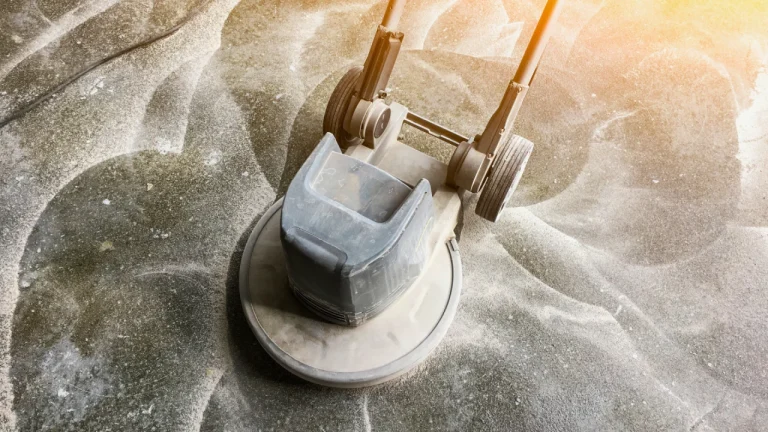
Grinding removes old paste, adhesive residue, coating fragments, and minor height variations. It also exposes small pores that were previously covered by worn material. Those openings can draw in liquid through capillary action. A suitable sealer reduces that intake and helps the slab keep a more consistent colour, sheen, and surface feel after finishing.
Polishing Improves Appearance
Polishing refines concrete with progressively finer abrasives. Each round smooths scratch patterns and increases light reflection. The finish may be matte, satin, or glossy, depending on the final grit. Shine, though, is not the same as resistance. Spills, tyre marks, chair feet, and cleaning chemicals can still affect exposed concrete when no protective coat is present.
Sealers Reduce Staining
Concrete contains tiny pathways that can absorb liquids. Even a well-polished surface may take in coffee, grease, wine, mud, or leaf tannin. Once absorbed, these marks can sit below the cleaning zone. Sealing slows penetration, giving people more time to wipe spills away. That matters in kitchens, garages, patios, showrooms, and entries where contamination often happens.
Better Control of Dust
Older slabs may shed fine cement particles as traffic abrades the upper layer. Grinding removes loose material, but untreated concrete can still release dust over time. Sealing binds the surface and limits powdering. Cleaner floors improve storage areas, workshops, and internal rooms because grit is less likely to settle on tools, shelves, skirting boards, or nearby walls.
Safer Daily Use
Safety depends on matching the finish to the setting. A glossy internal floor may suit dry living areas, while wet entries need more grip. Outdoor slabs can incorporate slip-resistant additives to improve traction in rain. The aim is balanced performance, where the floor looks refined yet still supports stable footing for regular users.
Easier Cleaning Routines
A sealed surface usually responds well to simple maintenance. Dry sweeping removes abrasive grit before it scuffs the finish. Damp mopping lifts everyday marks without aggressive scrubbing. Because spills remain closer to the top, cleaning is faster and more predictable. Mild products are often enough, which helps protect the coating and reduces avoidable wear.
Indoor and Outdoor Value
Grinding and sealing can be used for garages, driveways, patios, warehouses, shops, and living spaces. The method works with the existing slab, so full replacement is often unnecessary. Exterior concrete may require greater ultraviolet resistance and water resistance. Interior areas may place greater weight on sheen, stain control, and comfort underfoot. Correct product selection improves both looks and service life.
Finish Options Matter
Sealers differ in chemistry, appearance, and wear behaviour. Water-based products often give lower odour and a cleaner appearance. Solvent-based options may deepen colour and increase gloss. Traffic, sunlight, moisture, and cleaning habits should guide the choice. Poor matching can lead to whitening, peeling, patchiness, or premature dulling, so assessment before application is important.
Resealing Protects the Investment
Every sealer wears with use. Shoes, tyres, weather, grit, and detergents slowly reduce protection. Planned resealing restores the barrier before the slab becomes vulnerable again. Timing depends on traffic level, exposure, and coating type. A showroom will age differently from a driveway or patio. Regular checks help identify dull patches, scratches, or areas that absorb water quickly.
Cost and Practical Benefits
Grinding and sealing often cost less than removing and replacing a slab. The process uses materials already in place, reducing waste and site disruption. It can also lift the presentation of plain concrete in a practical way. Owners gain a harder-wearing, easier-clean floor that suits active spaces while keeping a clean architectural look.
Conclusion
Concrete grinding and polishing create the finish people see, while sealing helps protect the material beneath. The added layer limits staining, dusting, moisture entry, and surface wear, making care simpler for occupants and property owners. It also allows for making choices that suit indoor rooms, outdoor exposure, and traffic demands. With the right product and sensible resealing, polished concrete can remain attractive and functional for years.